
Poker Psychology: How Emotions Influence Your Decisions at the Table
A deep dive into how emotions impact poker decision-making, with practical tips for players to stay calm, master tilt, and elevate their game.
Poker psychology is a cornerstone of success, often dictating the outcome even when strategic skills are high. This article explores how emotions influence player decisions, defines the destructive state of „tilt,” and provides actionable strategies for mastering it to play more consciously and effectively.
Why Emotions Matter So Much in Poker
Poker is a game of uncertainty, where skill and strategy intertwine with chance. Every hand demands decisions under pressure, facing unknown opponent cards. In such an environment, emotions like fear of losing, greed, frustration, or euphoria can easily cloud rational thinking. Research in poker psychology confirms that even top players are not immune to emotional influence. The key to consistent success lies in managing stress and maintaining a „cool head,” a trait that distinguishes professionals from amateurs.
Understanding and Recognizing „Tilt”
„Tilt” is a mental state where emotions override rational thought, leading to a cascade of irrational and costly decisions. It can be triggered by bad beats, poor play, or a sense of injustice. Common symptoms of tilt include:
Aggressive Play: Playing too many hands, overbetting, or bluffing inappropriately.
Risky Play: Doubling down on stakes or taking unjustified gambles.
Passivity: Only playing the strongest hands or avoiding confrontations.
Ignoring Opponents: Focusing solely on one’s own cards and missing opponent tells.
Deep Frustration: A desire to „get even” with the table for perceived wrongs.
Tilt is easy to fall into and hard to escape. Players often don’t realize their mistakes until a significant portion of their bankroll is lost. Recognizing early symptoms is crucial for damage control.
Strategies for Managing Emotions at the Table
Managing emotions in poker requires awareness and practice. Key aspects to help control your emotions include:
Self-Awareness: Learn to identify the physical and mental signals your body and mind send when strong emotions arise.
Taking Breaks: If you feel you’re losing control, step away from the game. A short break can help regain composure.
Objective Analysis: After an unfavorable hand, try to analyze the situation dispassionately, distinguishing between a mistake and pure variance.
Setting Limits: Play within your bankroll and set loss limits. End your session once these are reached.
Relaxation Techniques: Meditation or breathing exercises can aid in maintaining a calm state of mind.
Online poker players face unique challenges. The lack of direct interaction makes reading opponents’ emotions harder but also makes hiding your own easier. Simultaneously, the accessibility of online play increases the temptation to jump back into the game quickly after a loss, demanding even greater discipline.
Table: Emotions and Poker Coping Strategies
| Emotion | Table Symptoms | Coping Strategy |
|---|---|---|
| Frustration | Aggressive play, irritability, impatience. | Take a break, focus on analysis, accept variance. |
| Fear | Risk aversion, passive play, checking hands. | Revisit strategy basics, play within bankroll. |
| Greed | Playing too many hands, unnecessary betting. | Stick to set limits, play with purpose, not just for profit. |
| Euphoria | Overconfidence, underestimating opponents. | Stay humble, analyze each hand, avoid overbetting. |
| Anger (Tilt) | Unpredictable, impulsive decisions, aggression. | Immediate break, analyze causes, mental reset. |
Player Takeaways: Personal Growth on the Felt
Controlling your emotions is one of the most challenging yet rewarding skills to develop in poker. Players who can maintain composure and make rational decisions under pressure have a significant edge. For any player, continuously honing this skill is vital. It’s not about eliminating emotions but about managing them consciously.
What Remains Uncertain?
Individual reactions to stress and emotions vary greatly. What works for one person may not work for another. Therefore, experimenting with different techniques and finding those that best suit your personality and playing style is important. The dynamic nature of poker and the constant emergence of new strategies require ongoing adaptation and learning how to handle evolving emotional challenges.
Remember to play responsibly. Poker should be a form of entertainment. If you struggle with emotional control or spending, seek help from specialists or organizations supporting those with gambling challenges.
Checklist for Emotional Control at the Poker Table:
Before Playing
Are you in a good emotional state to play? (Not tired, stressed, or angry from prior events.)
* Have you set clear bankroll limits and session goals?
2. During Play:
* Are you aware of your physical tells (e.g., rapid heartbeat, tense shoulders)?
* Can you differentiate between a bad beat and a strategic error?
* Are you sticking to your pre-game plan, or are emotions dictating your actions?
* Have you taken planned breaks?
3. After Playing:
* Did you review your session objectively, regardless of the outcome?
* What emotions did you experience, and how did you manage them?
* What can you improve for the next session?
Powiązane aktualności
MSIGA – porozumienie o wspólnej puli graczy w USA. Co warto wiedzieć?
Sześć stanów USA należy do MSIGA, umowy pozwalającej na łączenie puli graczy w pokera online. Sprawdzamy, jak działa ten mechanizm i jakie…
Czytaj dalej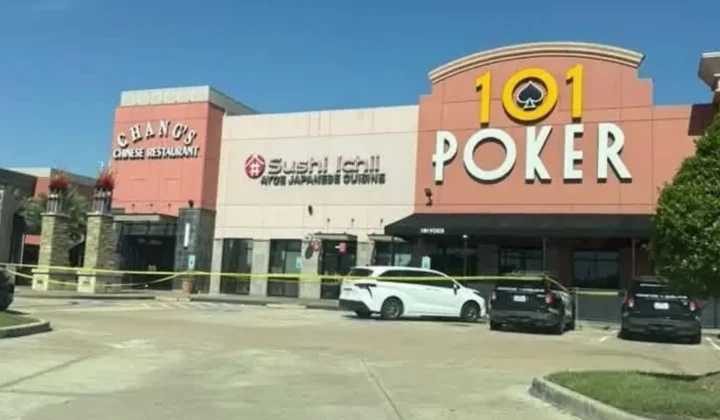
Kolejny nalot na poker room w Teksasie. 101 Poker Club w Katy zamknięty przez policję
Policja przeprowadziła nalot na 101 Poker Club w Katy w Teksasie. Funkcjonariusze mieli użyć broni, a gracze zostali usunięci ze stołów. Powód…
Czytaj dalej
Jeremy Ausmus wygrywa Poker Masters #7 i zdobywa dziesiąty tytuł PGT w karierze
Jeremy Ausmus zwyciężył w evencie #7 Poker Masters 2026, inkasując 278 400 dolarów. To jego dziesiąte trofeum w cyklu PokerGO Tour i…
Czytaj dalej
Daniel Negreanu: Lucas Jumalon zostanie w pokerze na dłużej
Daniel Negreanu wysoko ocenił grę i podejście Lucasa Jumalona, zwycięzcy Main Eventu WSOP 2026. Jego zdaniem młody mistrz nie zamierza zniknąć po…
Czytaj dalej