
Poker Psychology: How Emotions Influence Decisions at the Tables
Mastering poker psychology is crucial for success. This guide explores how emotions like fear, greed, and euphoria impact your decisions and provides strategies to gain control and improve your game.
Poker is a game where psychology plays as significant a role as strategy and mathematics. Your mental game, including how you handle emotions, is often the differentiator between an average player and a professional. Feelings—whether displayed or suppressed—profoundly influence decision-making at every poker table. From elation to fear, greed to frustration, each emotion can subtly or drastically alter your play, potentially leading to costly mistakes. This article delves into the psychological aspects of poker, examining how emotions shape our decisions and the strategies we can employ to master them, thereby maximizing our chances of success.
Why Poker Psychology is Paramount
Poker operates with incomplete information, hidden cards, and uncertain intentions from opponents. In such an environment, rational thinking is vital. However, as emotional beings, we often let feelings take over, even when we recognize their negative impact. Fear of losing chips might cause you to fold a strong hand against aggressive betting, while euphoria after a winning streak can lead to reckless plays and overconfidence. Greed might prevent you from cashing out winnings when you feel there’s more to gain, risking everything. Understanding these emotional pitfalls is the first crucial step toward overcoming them. As experts emphasize, the „mental game” is as critical as mastering poker theory or mathematics (Upswing Poker).
Key Emotions at the Poker Table
Several core emotions commonly affect poker players, potentially disrupting their game:
Fear: This encompasses the apprehension of losing chips, making a mistake, or losing a match. It often manifests as excessive caution, avoidance of risky plays, and general passivity.
Greed: The desire to accumulate as many chips as possible, frequently at the expense of sound judgment. Symptoms include over-aggression, ill-timed bluffs, or holding onto losing hands hoping for a miraculous turnaround.
Frustration/Anger: Arising from a string of bad luck, losses, or perceived unfairness from opponents. This can lead to impulsive decisions, commonly known as „tilt,” where a player abandaves strategic play for emotional reactions.
Euphoria/Overconfidence: Following a series of wins, especially impressive ones. This can result in overestimating one’s abilities, ignoring opponent tells, and making excessively risky decisions.
Boredom: Extended playing sessions, particularly those with minimal action, can lead to a decline in concentration and simple errors.
The Repercussions of Emotional Traps
Unmanaged emotions lead to negative consequences that directly impact your bankroll. The most destructive is tilt—a state where a player loses emotional control and plays irrationally, often aggressively, attempting to „fix” the situation, which typically results in further significant losses. Excessive caution stemming from fear of losing can cause you to miss out on valuable bets (value bets) or fold strong hands in tough spots, resulting in lost potential profit. Overconfidence leads to engaging in hands with weaker holdings, bluffing against strong players, or failing to recognize obvious warning signs. Dr. Pat Fernandez highlights that self-awareness of your tendencies and stress-induced defense mechanisms is key (Cardplayer).
Analyzing your statistics and hand histories can reveal patterns indicating emotional influence. For instance, if you start playing significantly more hands after a loss, it might signal tilt. Conversely, avoiding play after receiving a strong hand when a dangerous card appears on the board could be a sign of fear.
Strategies for Emotional Management
Emotional skills in poker are not innate; they can be developed. Here are proven strategies:
Cultivating Self-Awareness and Emotional Identification
The initial step involves learning to recognize your own emotions during play. Rising frustration, a racing heartbeat, tension in your shoulders—these are signals that something is amiss. Journaling your feelings after a play session, especially after losing hands, helps identify recurring emotional patterns and their triggers.
Employing Relaxation and Mindfulness Techniques
Simple techniques like deep breathing can help calm you during stressful moments. Practicing mindfulness outside of poker enhances your overall ability to manage emotions. It’s about being present in the moment, without clinging to past mistakes or future anxieties.
Bankroll Management as a Psychological Tool
Solid bankroll management is essential for longevity and acts as a powerful psychological buffer. By playing at stakes you can comfortably afford, you reduce the pressure and fear of losing money, enabling more rational decisions. Having a safety net makes it easier to make correct, albeit sometimes risky, plays.
Setting Breaks and Limits
Never play when you are tired, stressed, under the influence of alcohol, or when emotions are overwhelming. Set time limits for your playing sessions and adhere to them strictly. If you feel you’re losing control, take a break, step away from the table, and clear your head. PokerNews emphasizes the importance of discipline and establishing clear personal rules (PokerNews).
Post-Game Analysis
After concluding a gaming session, dedicate time to analyzing key hands, particularly those that elicited strong emotions. Were your decisions rational, or were they driven by fear, greed, or anger? Utilize analysis software if you play online, or meticulously record hands if you play live.
How to Verify Decisions and Avoid Errors
Verifying your poker decisions is critical for improvement. The following table outlines key aspects to consider before making a decision and potential emotional pitfalls that might affect your judgment.
| Decision Aspect | Questions to Ask Yourself | Potential Emotional Pitfalls |
|---|---|---|
| Hand Strength | Is my hand truly strong given the table and opponents? Am I playing it optimally? | Overconfidence, attachment to a strong hand. |
| Opponent’s Action | What does their bet/raise/check signify? Is it based on their strategy or my perception? | Mirroring their perceived emotions instead of analyzing. |
| Bluffing Potential | Do I have good reasons to bluff (position, history, narrative)? Likelihood of a call? | Greed, desire to „win” the pot at all costs. |
| Bet Sizing | Does my bet maximize profit from strong hands while protecting against costly errors? | Fear of loss, greed, reluctance to „value bet.” |
| Emotional State | Am I capable of making rational decisions now? Are emotions clouding my judgment? | Tilt, frustration, overconfidence. |
What Remains Uncertain?
Despite advancements in understanding poker psychology, certain aspects remain subjective and difficult to quantify precisely. Each player reacts to stress and emotions differently. What might be a moment of irritation for one could be the beginning of full-blown tilt for another. „Reading” an opponent’s emotions always carries a risk of error, as we never have complete access to their internal states. The path to mastering poker psychology is a continuous process of self-discovery and adaptation, demanding patience and consistency.
Conclusion and Actionable Steps
Understanding poker psychology and managing emotions is an ongoing journey requiring awareness, discipline, and practice. The goal isn’t to eliminate emotions—which is impossible—but to learn to manage them so they don’t harm your game, and ideally, become an advantage. Professional players experience emotions too; they’ve simply learned to control and leverage them.
Here are practical steps you can implement immediately:
Maintain an emotion journal after each gaming session.
Utilize breathing techniques during stressful moments at the table.
3. Ensure your bankroll management is impeccable.
4. Set and adhere to time limits and break schedules.
5. Analyze key hands, specifically looking for the influence of emotions on your decisions.
Every experienced player undergoes this process. Success in poker is a marathon, not a sprint, and controlling your own mind is the most valuable tool in your arsenal.
Powiązane aktualności
MSIGA – porozumienie o wspólnej puli graczy w USA. Co warto wiedzieć?
Sześć stanów USA należy do MSIGA, umowy pozwalającej na łączenie puli graczy w pokera online. Sprawdzamy, jak działa ten mechanizm i jakie…
Czytaj dalej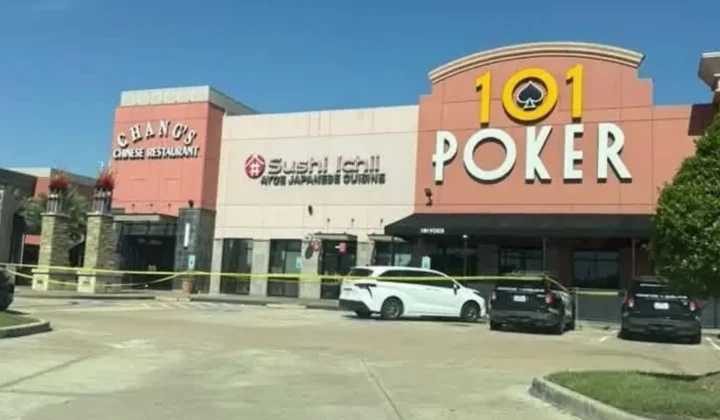
Kolejny nalot na poker room w Teksasie. 101 Poker Club w Katy zamknięty przez policję
Policja przeprowadziła nalot na 101 Poker Club w Katy w Teksasie. Funkcjonariusze mieli użyć broni, a gracze zostali usunięci ze stołów. Powód…
Czytaj dalej
Jeremy Ausmus wygrywa Poker Masters #7 i zdobywa dziesiąty tytuł PGT w karierze
Jeremy Ausmus zwyciężył w evencie #7 Poker Masters 2026, inkasując 278 400 dolarów. To jego dziesiąte trofeum w cyklu PokerGO Tour i…
Czytaj dalej
Daniel Negreanu: Lucas Jumalon zostanie w pokerze na dłużej
Daniel Negreanu wysoko ocenił grę i podejście Lucasa Jumalona, zwycięzcy Main Eventu WSOP 2026. Jego zdaniem młody mistrz nie zamierza zniknąć po…
Czytaj dalej